|
|
Typical forgings lead times range from 4-12 weeks depending on complexity, quantity, and raw material availability. Tooling preparation, manufacturing processes, heat treatment, and testing all contribute to the timeline. Effective lead time management requires transparent communication, realistic ... Read More
|
|
|
Material selection for corrosive environments involves evaluating the specific corrosion mechanism, temperature, pressure, and required service life. Common choices include carbon steels with protective coatings, stainless steels (304/316), duplex stainless steels, and specialized alloys. The ... Read More
|
|
|
Forgings pricing comprises material costs, manufacturing expenses, tooling investment, heat treatment, testing, and overhead. Material typically represents 40-60% of the cost, with manufacturing complexity being the next significant factor. Understanding this structure helps buyers identify ... Read More
|
|
|
Comprehensive documentation typically includes material certificates, heat treatment records, non-destructive testing reports, dimensional inspection reports, and certificates of compliance. European projects often require EN 10204 3.1/3.2 certificates, while South American clients may need ... Read More
|
|
|
Long-term supplier relationships yield numerous advantages: prioritized production scheduling, continuous quality improvement, better pricing through volume commitments, and technical collaboration on product development. Strategic partnerships transform transactional purchases into value-added ... Read More
|
|
|
Custom forgings development requires collaborative engineering between supplier and client. The process typically begins with detailed application analysis, followed by material selection, prototype development, and testing validation. Successful customization depends on the supplier's technical ... Read More
|
|
|
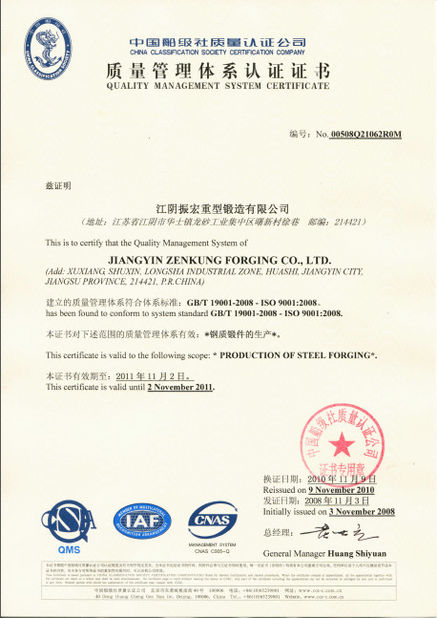
Comprehensive quality assurance should encompass material verification, process control, dimensional inspection, and mechanical testing. Reputable suppliers implement quality systems covering all production stages, from raw material reception to final shipment. Third-party certifications like ISO ... Read More
|
|
|
Certification requirements vary by application and region. European markets typically require CE marking with PED compliance for pressure equipment, while South American countries may require local certifications like INMETRO (Brazil) or IRAM (Argentina). Beyond mandatory certifications, industry... Read More
|
|
|
The forgings industry follows a fundamental principle: quality cannot be compromised for price, but smart manufacturing can deliver both. While initial cost is important, the total cost of ownership including maintenance, downtime, and replacement should guide purchasing decisions. Industry ... Read More
|
|
|
Selecting international forgings suppliers requires evaluating technical capabilities, quality certifications, and global experience. Reputable suppliers typically hold ISO 9001, API Q1, or sector-specific certifications like PED/CE for European markets. The ideal partner should demonstrate material ... Read More
|